




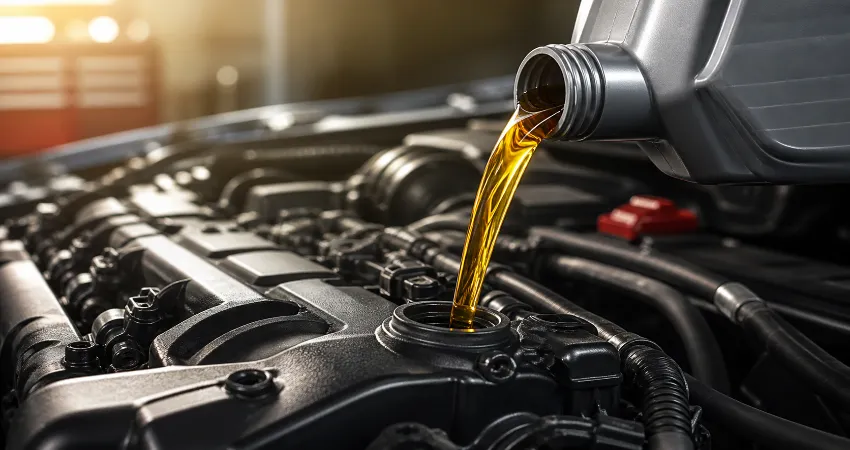
Choosing the right synthetic motor oil for a high-performance engine is more important than many drivers realize. High-performance engines are designed to operate under extreme conditions, including higher temperatures, increased pressure, and greater mechanical stress.
Because of this, they demand more advanced lubrication compared to standard engines. The wrong oil can lead to reduced efficiency, faster wear, and even long-term damage.
Synthetic motor oils have become the preferred choice for performance enthusiasts and modern vehicle owners alike. They offer better protection, improved thermal stability, and longer service intervals compared to conventional oils. However, with so many options available on the market, selecting the best one can feel overwhelming.
This guide will help you understand what to look for when choosing synthetic motor oil for high-performance engines. By the end, you will have a clear understanding of viscosity grades, oil standards, additives, and how to match the oil to your engine’s needs.
Understanding Synthetic Motor Oil
Synthetic motor oil is engineered using chemically modified base oils rather than crude oil alone. This process results in a cleaner, more uniform product with fewer impurities. For high-performance engines, this consistency is crucial because it ensures reliable lubrication under extreme operating conditions.
Unlike conventional oils, synthetic oils maintain their viscosity across a wider temperature range. This means better cold starts in low temperatures and superior protection when the engine heats up. Additionally, synthetic oils resist oxidation and breakdown, making them ideal for engines that operate at higher RPMs or under heavy loads.
Why High-Performance Engines Need Special Oil?
High-performance engines generate more heat and friction compared to standard engines. This is due to tighter tolerances, higher compression ratios, and increased power output. As a result, they require oil that can handle these demands without degrading quickly.
Using regular motor oil in such engines may lead to poor lubrication, increased engine wear, and reduced performance. Synthetic oils are designed to provide enhanced protection against these challenges, ensuring smooth operation and longer engine life.
Choosing the Right Viscosity Grade
Viscosity refers to how thick or thin the oil is, and it plays a crucial role in engine protection. High-performance engines often require specific viscosity grades such as 5W-30, 0W-40, or 10W-60, depending on the manufacturer’s recommendations.
The first number (e.g., 5W) indicates how the oil performs in cold temperatures, while the second number (e.g., 30) represents its performance at high temperatures. For high-performance engines, it is essential to choose an oil that maintains stability under heat while still flowing easily during cold starts.
Check Manufacturer Specifications
Every engine is designed with specific requirements, and manufacturers provide clear guidelines on the type of oil to use. These specifications include viscosity grade, performance standards, and certifications.
Ignoring these recommendations can lead to suboptimal performance and may even void warranties. Always refer to your vehicle’s owner manual and choose a synthetic oil that meets or exceeds the recommended standards.
Understanding Oil Standards and Certifications
Synthetic motor oils come with various certifications such as API (American Petroleum Institute), ACEA (European Automobile Manufacturers Association), and OEM approvals. These certifications indicate that the oil meets certain performance and quality standards.
For high-performance engines, look for oils that meet higher standards or specific manufacturer approvals. These oils are tested for extreme conditions and provide better protection against wear, deposits, and oxidation.
The Role of Additives in Synthetic Oil
Additives are chemical compounds added to motor oil to enhance its performance. They play a vital role in protecting high-performance engines by reducing friction, preventing corrosion, and keeping the engine clean.
Common additives include detergents, dispersants, anti-wear agents, and viscosity modifiers. A high-quality synthetic oil will have a well-balanced additive package that ensures optimal engine performance and longevity.
Thermal Stability and Oxidation Resistance
High-performance engines generate significant heat, making thermal stability a critical factor when choosing motor oil. Synthetic oils are designed to resist breakdown at high temperatures, maintaining their protective properties for longer periods.
Oxidation resistance is equally important because it prevents the oil from thickening and forming sludge. This ensures consistent lubrication and reduces the risk of engine damage over time.
Consider Driving Conditions
Your driving style and environment also influence the type of synthetic oil you should choose. For example, if you frequently drive at high speeds, tow heavy loads, or participate in track events, your engine will require oil with superior performance characteristics.
On the other hand, if your vehicle is used mainly for city driving with occasional bursts of speed, a slightly different formulation may be suitable. Always consider how you use your vehicle when selecting motor oil.
Oil Change Intervals for Synthetic Oil
One of the advantages of synthetic motor oil is its extended lifespan. However, this does not mean you can ignore regular oil changes. High-performance engines may still require more frequent changes due to increased stress and contamination.
Follow the manufacturer’s recommended oil change intervals and adjust them based on your driving conditions. Regular maintenance ensures that your engine continues to perform at its best.
Price Vs. Quality: What Matters More?
While synthetic oils are generally more expensive than conventional oils, the benefits they offer often outweigh the cost. High-quality oil provides better protection, improved efficiency, and longer engine life.
Choosing a cheaper, lower-quality oil may save money in the short term but can lead to higher maintenance costs in the long run. Investing in a reputable synthetic oil brand is a wise decision for high-performance engines.
FAQs About Choose The Best Synthetic Motor Oil For High-Performance Engines
1. What makes synthetic oil better for high-performance engines?
Synthetic oil is engineered to provide superior lubrication, thermal stability, and resistance to breakdown. These properties make it ideal for high-performance engines that operate under extreme conditions.
2. Can I use any synthetic oil in my performance car?
No, you should always follow the manufacturer’s specifications. Using the wrong viscosity or standard may affect engine performance and could lead to damage over time.
3. How often should I change synthetic oil in a high-performance engine?
Although synthetic oils last longer, high-performance engines may require more frequent changes due to higher stress levels. It is best to follow the recommended intervals in your owner’s manual.
4. Does higher viscosity mean better protection?
Not necessarily. While thicker oil can provide better protection at high temperatures, it may not flow well in cold conditions. The right balance is essential for optimal performance.
5. Are additives in synthetic oil important?
Yes, additives play a crucial role in protecting the engine, reducing wear, and maintaining cleanliness. A good additive package enhances overall oil performance.
6. Can synthetic oil improve engine performance?
Synthetic oil can improve efficiency by reducing friction and maintaining consistent lubrication. While it may not directly increase horsepower, it supports optimal engine operation.
7. Is it safe to switch from conventional to synthetic oil?
Yes, most modern engines can safely switch to synthetic oil. However, it is advisable to check your vehicle’s manual or consult a professional before making the change.
8. What happens if I use the wrong oil grade?
Using the wrong oil grade can lead to poor lubrication, increased wear, and reduced engine efficiency. In severe cases, it may cause engine damage.
9. Are all synthetic oils the same?
No, synthetic oils vary in quality, formulation, and performance standards. It is important to choose a reputable brand that meets your engine’s requirements.
10. Does synthetic oil help in extreme weather conditions?
Yes, synthetic oil performs well in both high and low temperatures. It flows easily during cold starts and maintains stability under extreme heat.
Conclusion
Choosing the best synthetic motor oil for a high-performance engine requires careful consideration of several factors, including viscosity, certifications, additives, and driving conditions.
By following manufacturer recommendations and understanding how synthetic oils work, you can ensure optimal engine performance and longevity. Investing in the right oil is not just about maintenance—it is about protecting your engine and maximizing its potential.