




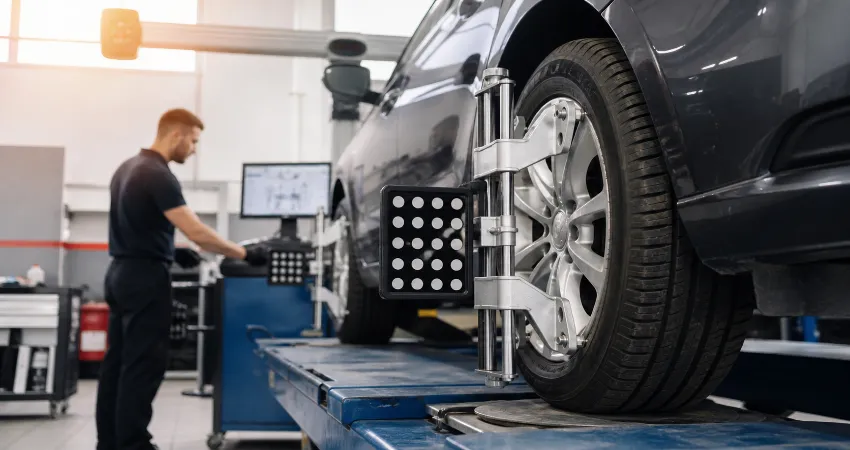
Maintaining your vehicle goes far beyond regular oil changes and fuel refills. One of the most overlooked yet essential aspects of car care is wheel alignment. Many drivers tend to ignore it until they notice uneven tire wear or steering problems. However, professional wheel alignment plays a crucial role in preserving the condition of your tires and improving your overall driving experience.
Wheel alignment refers to the adjustment of a vehicle’s suspension system, ensuring that the tires meet the road at the proper angle. When your wheels are aligned correctly, your tires wear evenly, your car handles smoothly, and you ultimately save money in the long run.
Understanding how professional wheel alignment extends the life of your tires can help you make smarter maintenance decisions and avoid costly replacements.
In this article, we will explore how wheel alignment works, why it is important, and how it directly impacts tire longevity. Whether you are a new car owner or an experienced driver, this guide will provide valuable insights into keeping your tires in excellent condition.
What Is Professional Wheel Alignment?
Professional wheel alignment is the process of adjusting the angles of your vehicle’s wheels to match the manufacturer’s specifications. This adjustment ensures that the tires are positioned correctly relative to the road and each other. Alignment involves three main components: camber, caster, and toe. Each of these angles affects how your tires make contact with the road surface.
A professional technician uses advanced equipment to measure and adjust these angles precisely. Unlike basic adjustments, professional alignment ensures accuracy, helping your tires wear evenly and perform efficiently over time.
How Misalignment Affects Tire Wear?
When your wheels are not properly aligned, your tires do not make even contact with the road. This leads to uneven wear patterns, such as excessive wear on one side of the tire or irregular tread patterns. Over time, this can significantly reduce the lifespan of your tires.
Misalignment can also cause your tires to drag or scrub against the road rather than roll smoothly. This increases friction, generates heat, and accelerates tire degradation. As a result, you may need to replace your tires much sooner than expected.
The Direct Impact on Tire Longevity
Proper wheel alignment ensures that all four tires share the load evenly. When the weight of the vehicle is distributed correctly, no single tire bears more stress than the others. This balanced distribution helps prevent premature wear and extends the overall life of your tires.
Additionally, aligned wheels reduce unnecessary friction between the tires and the road. Less friction means less heat buildup, which is one of the main causes of tire damage. By maintaining proper alignment, you protect your tires from excessive wear and tear.
Improved Fuel Efficiency
Wheel alignment not only benefits your tires but also improves your vehicle’s fuel efficiency. When your wheels are misaligned, your engine has to work harder to move the vehicle forward. This increased resistance leads to higher fuel consumption.
With properly aligned wheels, your car moves more smoothly and efficiently. Reduced rolling resistance allows your engine to operate optimally, saving fuel and reducing overall operating costs.
Enhanced Driving Safety
Driving with misaligned wheels can compromise your safety. You may notice that your car pulls to one side or that the steering wheel feels off-center. These issues can make it harder to control your vehicle, especially at high speeds or during sudden maneuvers.
Professional wheel alignment ensures that your car handles predictably and responds accurately to steering inputs. This improves your confidence on the road and reduces the risk of accidents.
Signs Your Wheels Need Alignment
Recognizing the early signs of misalignment can help you address the issue before it causes serious damage. Common indicators include uneven tire wear, a vibrating steering wheel, and your vehicle pulling to one side.
If you notice that your steering wheel is not centered when driving straight, it is also a sign that your wheels may be misaligned. Addressing these issues promptly can prevent further tire damage and extend their lifespan.
When Should You Get a Wheel Alignment?
It is generally recommended to get a wheel alignment every 10,000 to 12,000 kilometers or at least once a year. However, certain conditions may require more frequent alignment checks. For example, hitting potholes, curbs, or driving on rough roads can easily disrupt your alignment.
You should also consider alignment when installing new tires or after replacing suspension components. Regular alignment checks ensure that your tires remain in optimal condition for as long as possible.
Cost Savings Over Time
While professional wheel alignment may seem like an additional expense, it actually helps you save money in the long run. Proper alignment reduces the need for frequent tire replacements and minimizes wear on other vehicle components.
By extending the life of your tires, you avoid the cost of premature replacements. Additionally, improved fuel efficiency and reduced maintenance costs make wheel alignment a smart financial decision.
Environmental Benefits
Extending the life of your tires also has environmental benefits. Fewer tire replacements mean less waste and reduced demand for raw materials used in tire production. Proper alignment contributes to a more sustainable approach to vehicle maintenance.
Moreover, improved fuel efficiency reduces carbon emissions, helping to lower your environmental impact. Small maintenance steps like wheel alignment can make a significant difference over time.
Why Professional Alignment Is Better Than DIY?
While some car maintenance tasks can be done at home, wheel alignment requires specialized equipment and expertise. Professional technicians use precise tools to measure and adjust alignment angles accurately.
Attempting to align wheels without proper knowledge can lead to incorrect adjustments and further damage. Professional alignment ensures that your vehicle meets manufacturer standards, providing optimal performance and tire longevity.
FAQs About Professional Wheel Alignment Extends
1. What is the main purpose of wheel alignment?
The primary purpose of wheel alignment is to ensure that your vehicle’s wheels are positioned correctly according to manufacturer specifications. This helps the tires make proper contact with the road, improves handling, and prevents uneven tire wear. Proper alignment also enhances overall driving comfort and safety.
2. How does wheel alignment extend tire life?
Wheel alignment ensures that all tires wear evenly by distributing the vehicle’s weight properly. When alignment is correct, there is less friction and stress on individual tires. This reduces premature wear and allows the tires to last longer compared to misaligned conditions.
3. Can misalignment cause tire damage quickly?
Yes, even slight misalignment can lead to noticeable tire wear over time. In severe cases, it can cause rapid deterioration of tire tread within a few thousand kilometers. This is why addressing alignment issues early is essential.
4. Is wheel alignment necessary after installing new tires?
Yes, it is highly recommended to align your wheels after installing new tires. Proper alignment ensures that your new tires wear evenly from the start, maximizing their lifespan and performance.
5. How often should I check my wheel alignment?
You should check your wheel alignment at least once a year or every 10,000 to 12,000 kilometers. However, if you frequently drive on rough roads or hit potholes, more frequent checks may be necessary.
6. Does wheel alignment affect fuel consumption?
Yes, misaligned wheels create additional resistance, forcing your engine to work harder and consume more fuel. Proper alignment reduces this resistance, leading to better fuel efficiency.
7. What are common signs of poor alignment?
Common signs include uneven tire wear, the vehicle pulling to one side, a vibrating steering wheel, and an off-center steering wheel. These symptoms indicate that your wheels may need adjustment.
8. Can I drive safely with misaligned wheels?
While you may still be able to drive, it is not recommended. Misalignment affects vehicle control and stability, increasing the risk of accidents. It is best to address the issue promptly.
9. Is wheel alignment the same as tire balancing?
No, wheel alignment and tire balancing are different services. Alignment adjusts the angles of the wheels, while balancing ensures that the weight of the tire and wheel assembly is evenly distributed for smooth rotation.
10. Does wheel alignment protect other car components?
Yes, proper alignment reduces stress on suspension and steering components. This helps prevent premature wear of these parts, leading to lower maintenance costs and improved vehicle performance.
Conclusion
Professional wheel alignment is a simple yet powerful way to extend the life of your tires. By ensuring proper contact with the road, reducing friction, and promoting even wear, alignment helps you get the most out of your investment.
Beyond tire longevity, it also improves fuel efficiency, enhances safety, and reduces long-term maintenance costs. Regular alignment checks are essential for keeping your vehicle running smoothly and efficiently.