




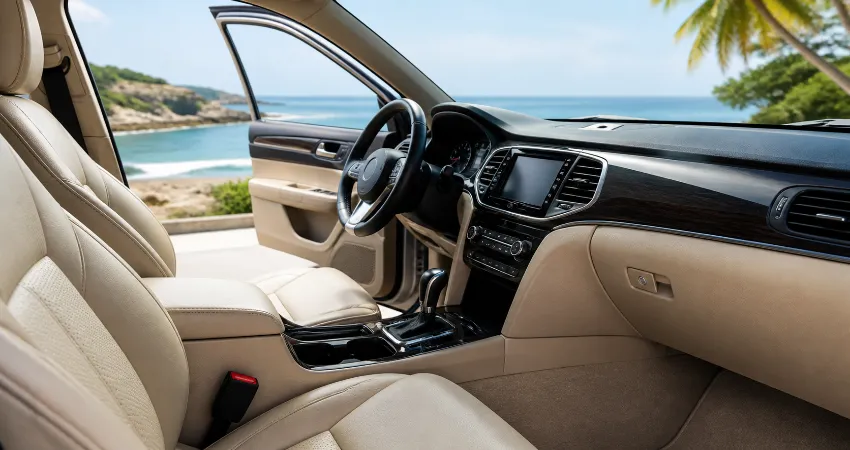
Keeping your car’s interior in pristine condition can be a challenge, especially if you live in coastal areas. The combination of salty air, high humidity, and intense sunlight creates a harsh environment that can quickly wear down upholstery, dashboards, and other interior components. Over time, these elements can cause fading, corrosion, unpleasant odors, and even structural damage if not properly managed.
However, maintaining a like-new interior is entirely possible with the right approach. By understanding how coastal conditions affect your vehicle and adopting a few practical habits, you can significantly extend the life and appearance of your car’s interior.
This guide explores the best secrets and proven strategies to help you protect your car from the unique challenges of coastal living.
Understanding the Impact of Coastal Environments on Car Interiors
Coastal areas are known for their salty air and elevated moisture levels, both of which can be damaging to your car’s interior. Salt particles carried by the wind can settle inside your vehicle, leading to corrosion of metal components and deterioration of materials. Meanwhile, high humidity creates a breeding ground for mold and mildew, especially in carpets and seat fabrics.
In addition, strong UV rays near coastal regions can cause fading and cracking of dashboards, steering wheels, and leather seats. Without proper protection, even a relatively new car can start to look aged within a short period of time.
Regular Cleaning to Prevent Salt Build-Up
One of the most effective ways to maintain your car’s interior is through consistent cleaning. Salt residue can accumulate quickly, especially if you frequently drive near the beach. Vacuuming your car at least once a week helps remove sand and salt particles that can scratch surfaces and embed into fabrics.
Wiping down surfaces with a damp microfiber cloth also helps remove invisible salt deposits. Pay special attention to door panels, air vents, and floor mats, as these areas tend to collect debris. Regular cleaning not only preserves appearance but also prevents long-term damage.
Use High-Quality Floor Mats and Seat Covers
Investing in durable floor mats and seat covers is a smart move for coastal drivers. Rubber or all-weather mats are particularly effective because they trap sand, salt, and moisture, preventing them from reaching the car’s original flooring.
Similarly, seat covers act as a protective barrier against humidity and spills. They are easier to clean and replace compared to factory upholstery. Choosing water-resistant or breathable materials ensures comfort while providing long-lasting protection.
Protect Against UV Damage
Sun exposure is another major concern in coastal regions. Over time, UV rays can cause fading, cracking, and discoloration of interior surfaces. Using sunshades on your windshield and windows can significantly reduce heat and UV exposure when the car is parked.
Applying UV protectant sprays on dashboards, leather seats, and plastic trims adds an extra layer of defense. These products help maintain color, flexibility, and overall appearance, preventing premature aging of interior components.
Control Moisture and Humidity Inside the Car
Humidity is one of the biggest threats to your car’s interior in coastal areas. Excess moisture can lead to mold growth, unpleasant odors, and even damage to electronic components. To combat this, it’s important to keep the interior as dry as possible.
Using moisture absorbers or silica gel packs inside the car can help reduce humidity levels. Parking in a well-ventilated area or using slightly open windows (when safe) also promotes air circulation. Additionally, running the air conditioning periodically helps remove excess moisture from the cabin.
Regularly Condition Leather and Upholstery
If your car has leather seats, conditioning them regularly is essential. Coastal conditions can cause leather to dry out, crack, or lose its natural shine. Using a high-quality leather conditioner helps maintain softness and prevents damage caused by salt and sun exposure.
Fabric upholstery also benefits from periodic cleaning and protection. Fabric protectors can create a barrier against moisture and stains, making it easier to maintain a clean and fresh interior.
Avoid Eating and Drinking Inside the Car
While it may seem like a small habit, avoiding food and drinks inside your car can make a significant difference. Spills and crumbs can attract bacteria and contribute to unpleasant odors, especially in a humid coastal environment.
If eating in the car is unavoidable, make sure to clean up immediately. Prompt action prevents stains from setting in and reduces the risk of mold development.
Park Smartly to Reduce Exposure
Where you park your car plays a crucial role in maintaining its interior condition. Whenever possible, choose shaded areas, covered parking, or garages to minimize exposure to sunlight and salty air.
If covered parking is not available, consider using a car cover designed for coastal conditions. This provides protection against both UV rays and salt-laden air, helping preserve both the interior and exterior of your vehicle.
Keep Windows and Seals in Good Condition
Damaged window seals can allow moisture and salty air to enter your car, accelerating interior wear. Regularly inspect door seals, window edges, and weather stripping to ensure they are intact and functioning properly.
Replacing worn-out seals promptly prevents leaks and helps maintain a controlled environment inside the car. This small maintenance step can save you from costly interior repairs in the future.
Use Air Fresheners and Odor Control Solutions
Coastal humidity can sometimes lead to musty odors inside the car. Using air fresheners or odor-neutralizing products can help maintain a pleasant interior environment. However, it’s important to address the root cause of odors rather than just masking them.
Regular cleaning, moisture control, and proper ventilation are key to keeping your car smelling fresh. Activated charcoal bags are also effective in absorbing odors naturally.
FAQs About Best Secrets To Keeping Your Car’s Interior Like New
1. Why is salt air harmful to car interiors?
Salt air contains tiny particles that settle on surfaces and can cause corrosion, discoloration, and deterioration of materials. Over time, this can lead to visible damage and reduce the lifespan of your car’s interior components.
2. How often should I clean my car interior in coastal areas?
It is recommended to clean your car interior at least once a week. Frequent cleaning helps remove salt, sand, and moisture before they can cause long-term damage.
3. Are leather seats more vulnerable in coastal environments?
Yes, leather seats are particularly sensitive to salt and UV exposure. Without proper conditioning and protection, they can dry out, crack, and fade more quickly compared to other materials.
4. What type of floor mats are best for coastal areas?
All-weather rubber mats are the best choice. They are durable, water-resistant, and easy to clean, making them ideal for trapping sand and salt.
5. Can humidity cause permanent damage to car interiors?
Yes, prolonged exposure to high humidity can lead to mold growth, unpleasant odors, and even damage to electronic systems. Managing moisture levels is essential to prevent these issues.
6. Do sunshades really help protect the interior?
Sunshades are highly effective in reducing heat and UV exposure inside the car. They help prevent fading and cracking of interior surfaces, especially dashboards and seats.
7. Is it necessary to use moisture absorbers in the car?
In coastal areas, moisture absorbers are very useful. They help reduce humidity levels inside the car, preventing mold and maintaining a dry environment.
8. How can I prevent mold in my car?
To prevent mold, keep the interior dry, clean regularly, use moisture absorbers, and ensure proper ventilation. Address any water leaks immediately to avoid moisture buildup.
9. Does parking location affect interior condition?
Yes, parking in shaded or covered areas significantly reduces exposure to sunlight and salty air, helping preserve the interior’s condition over time.
10. Are car covers effective in coastal regions?
Car covers designed for coastal conditions can provide excellent protection against UV rays, salt, and moisture. They are especially useful when covered parking is not available.
Conclusion
Maintaining your car’s interior in coastal areas requires a proactive approach and consistent care. From regular cleaning and moisture control to UV protection and smart parking habits, each step plays a vital role in preserving your vehicle’s condition.
By following these practical strategies, you can keep your car’s interior looking fresh, comfortable, and like new for years to come, even in the challenging coastal environment.