


Planning a long road trip across Mexico can be an exciting experience, whether you’re driving along coastal highways, exploring vibrant cities, or venturing into scenic mountain routes. However, one of the biggest concerns for travelers is fuel consumption.
With long distances between destinations and varying terrain, optimizing your car’s fuel efficiency becomes essential not just for saving money, but also for ensuring a smoother and more sustainable journey.
Fuel efficiency is influenced by several factors, including driving habits, vehicle condition, and even the type of roads you travel on. By understanding these elements and making a few strategic adjustments, you can significantly improve your mileage.
This guide will walk you through practical, easy-to-implement tips to help you get the most out of every liter of fuel during your long trips across Mexico.
Understand Your Vehicle’s Fuel Consumption
Before you begin your journey, it’s important to understand how your vehicle consumes fuel. Every car has a different fuel efficiency rating depending on its engine size, weight, and transmission type. Checking your car’s manual or dashboard information can give you insights into average mileage. Knowing this baseline allows you to measure improvements and plan your fuel stops more effectively during long-distance travel.
Keep Your Tires Properly Inflated
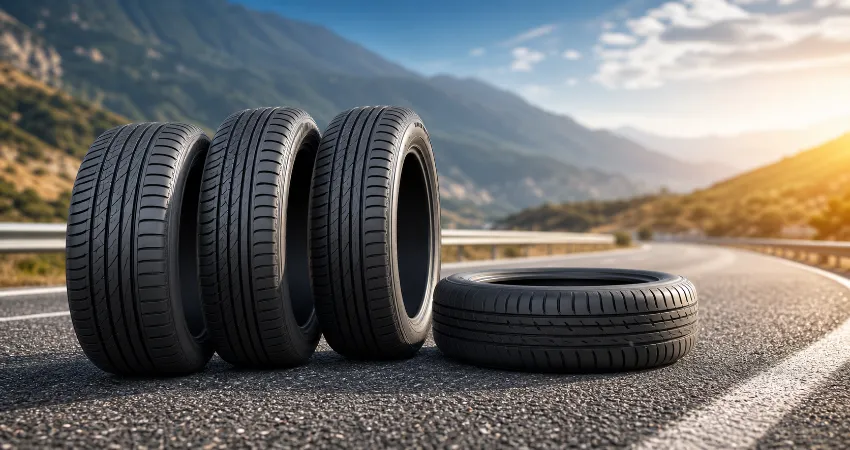
Tire pressure plays a crucial role in fuel efficiency. Underinflated tires increase rolling resistance, forcing your engine to work harder and consume more fuel. Before starting your trip, check the recommended tire pressure and ensure all tires, including the spare, are properly inflated. Regularly monitoring tire pressure throughout your journey can help maintain optimal performance and prevent unnecessary fuel wastage.
Reduce Excess Weight in Your Vehicle
Carrying unnecessary weight can significantly impact fuel consumption. The heavier your vehicle, the more energy it requires to move. Before embarking on your trip, remove any items that are not essential. Avoid overloading your car with luggage or equipment. Traveling light not only improves fuel efficiency but also enhances driving comfort and safety.
Maintain a Steady Driving Speed
One of the most effective ways to optimize fuel efficiency is by maintaining a consistent speed. Frequent acceleration and braking can quickly increase fuel consumption. On highways, try to use cruise control if your car has it, as it helps maintain a steady pace. Driving at moderate speeds, typically between 80–100 km/h, is often the most fuel-efficient range for most vehicles.
Avoid Aggressive Driving Habits
Aggressive driving, such as rapid acceleration, hard braking, and speeding, can drastically reduce fuel efficiency. Smooth and gradual driving not only conserves fuel but also reduces wear and tear on your vehicle. Anticipate traffic conditions ahead and adjust your speed accordingly to avoid unnecessary stops and starts.
Plan Your Route in Advance
Route planning can make a significant difference in fuel consumption. Choose routes that have less traffic, smoother roads, and fewer stops. Avoid congested urban areas during peak hours whenever possible. Using navigation tools can help you find the most efficient path, saving both time and fuel during your trip across Mexico.
Keep Your Engine Well Maintained
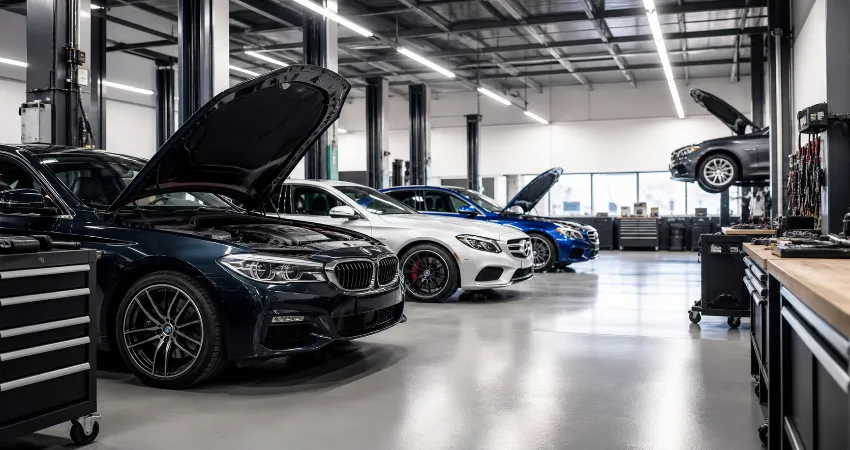
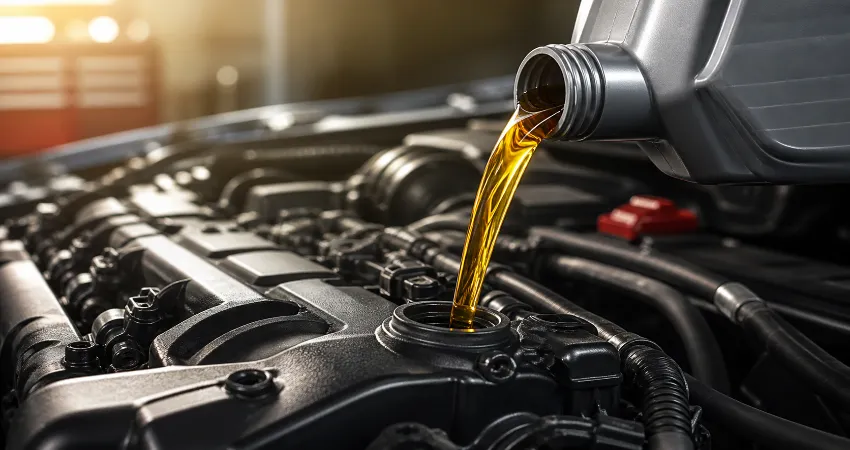
A well-maintained engine operates more efficiently and consumes less fuel. Before your trip, ensure that your vehicle is serviced properly. Replace old engine oil, clean or replace air filters, and check spark plugs if necessary. Regular maintenance not only improves fuel economy but also reduces the risk of breakdowns during long journeys.
Use Air Conditioning Wisely
Air conditioning can increase fuel consumption, especially during long drives. While it’s important for comfort in Mexico’s warm climate, using it excessively can reduce mileage. At lower speeds, consider opening windows instead of using AC. However, at higher speeds, keeping windows closed and using air conditioning moderately is more efficient due to reduced aerodynamic drag.
Monitor Fuel Quality and Refueling Habits
Using high-quality fuel can improve your car’s performance and efficiency. Choose reliable fuel stations to ensure consistent fuel quality. Additionally, avoid letting your fuel tank drop too low, as this can strain the fuel pump. Refueling at appropriate intervals helps maintain optimal engine performance and prevents unnecessary fuel consumption.
Minimize Idling Time
Idling consumes fuel without moving your vehicle. Whether you’re waiting at a stop, taking a break, or stuck in traffic, turning off your engine when safe to do so can save fuel. Modern engines are designed to restart efficiently, so reducing idle time is a simple yet effective way to improve overall fuel efficiency.
Optimize Aerodynamics
Aerodynamics play a significant role in fuel efficiency, especially at higher speeds. Roof racks, carriers, or open windows can increase air resistance and reduce mileage. If you’re not using roof attachments, remove them before your trip. Keeping your car streamlined helps reduce drag and improves fuel economy on long highway drives.
Check Wheel Alignment and Suspension
Poor wheel alignment or suspension issues can cause uneven tire wear and increase resistance, leading to higher fuel consumption. Ensuring proper alignment allows your vehicle to move smoothly and efficiently. If your car tends to pull to one side or if you notice uneven tire wear, it’s advisable to get it checked before starting your journey.
Drive During Cooler Hours
Driving during early mornings or late evenings can help improve fuel efficiency. Cooler temperatures reduce the need for air conditioning and improve engine performance. Additionally, traffic is often lighter during these times, allowing for smoother driving with fewer stops and less fuel consumption.
Use the Right Gear and Transmission Techniques
For manual vehicles, shifting gears at the right time can significantly improve fuel efficiency. Avoid driving in lower gears for extended periods and shift up smoothly as your speed increases. For automatic cars, maintaining steady acceleration and avoiding sudden speed changes can help the transmission operate more efficiently.
FAQs About Optimize Your Car’s Fuel Efficiency For Long Trips
1. Why is fuel efficiency important for long trips across Mexico?
Fuel efficiency is crucial because long distances between cities and varying terrain can increase fuel consumption. Improving efficiency helps reduce travel costs, minimizes environmental impact, and ensures you don’t run out of fuel in remote areas.
2. How does tire pressure affect fuel consumption?
Properly inflated tires reduce rolling resistance, allowing your car to move more easily. Underinflated tires create more friction with the road, forcing the engine to work harder and consume more fuel, which reduces overall efficiency.
3. What is the ideal speed for maximum fuel efficiency?
The ideal speed varies by vehicle, but generally, driving between 80–100 km/h provides optimal fuel efficiency. Speeds above this range increase aerodynamic drag, while lower speeds may not fully utilize engine efficiency.
4. Does using air conditioning always reduce fuel efficiency?
Yes, using air conditioning does increase fuel consumption, but its impact depends on driving conditions. At higher speeds, using AC is often more efficient than opening windows, which increases drag.
5. How can route planning help save fuel?
Planning your route helps avoid traffic congestion, unnecessary detours, and rough roads. Efficient routes reduce stop-and-go driving and allow for smoother, continuous movement, which improves fuel economy.
6. Is it better to drive with a full tank or a lighter load?
While having enough fuel is important, carrying excessive weight, including unnecessary items, can reduce efficiency. Maintaining a balanced approach—carrying essential fuel without overloading the vehicle—is ideal.
7. How often should I service my car for better fuel efficiency?
Regular servicing as recommended by the manufacturer is key. Before long trips, it’s advisable to check engine oil, filters, and other critical components to ensure optimal performance and fuel economy.
8. Does aggressive driving really make a big difference?
Yes, aggressive driving can significantly increase fuel consumption. Rapid acceleration and sudden braking waste energy and fuel, whereas smooth driving conserves both.
9. Can removing roof racks improve fuel efficiency?
Absolutely. Roof racks and carriers increase aerodynamic drag, especially at higher speeds. Removing them when not in use can improve mileage during long highway trips.
10. What are the benefits of reducing idling time?
Reducing idling saves fuel, lowers emissions, and prevents unnecessary engine wear. Turning off your engine during long stops is an easy way to improve overall efficiency.
Conclusion
Optimizing your car’s fuel efficiency for long trips across Mexico is not complicated, but it does require awareness and preparation. By maintaining your vehicle, adopting smoother driving habits, and planning your journey wisely, you can significantly reduce fuel consumption.
These simple yet effective strategies not only help you save money but also ensure a more enjoyable and stress-free travel experience. Whether you’re exploring bustling cities or remote landscapes, efficient driving will always enhance your journey.