


Buying a high-performance used car in Mexico can be an exciting experience, especially if you are passionate about speed, design, and advanced engineering. Whether you are considering a sports coupe, a luxury sedan, or a turbocharged hatchback, these vehicles offer a level of performance that standard cars simply cannot match.
However, purchasing a used high-performance vehicle also comes with certain risks that require careful inspection and attention to detail.
Unlike regular cars, high-performance vehicles are often driven more aggressively and may have undergone modifications or heavy use. This makes it essential to perform a thorough inspection before making any purchase decision. A well-informed approach can help you avoid costly repairs, ensure safety, and ultimately get the best value for your investment.
In this guide, we will walk you through the key steps to inspect a high-performance used car in Mexico. From engine checks to legal verification, each aspect is crucial in helping you make a smart and confident purchase.
Understand the Vehicle’s History
The first step in inspecting any used high-performance car is to review its history. Request a full vehicle history report, including accident records, previous ownership, and service history. In Mexico, you can check records through official databases to confirm whether the car has been involved in theft or major accidents. A clean history is a strong indicator that the vehicle has been well maintained and responsibly owned.
Inspect the Engine and Performance Components
The engine is the heart of any high-performance vehicle, and it deserves special attention. Look for signs of oil leaks, unusual noises, or excessive smoke from the exhaust. High-performance engines often operate at higher stress levels, so even minor issues can become expensive problems. Check components such as turbochargers, intercoolers, and performance exhaust systems for wear or damage.
Check for Aftermarket Modifications
Many performance car owners modify their vehicles to enhance speed or aesthetics. While some modifications are professionally done, others may compromise reliability. Inspect for aftermarket parts like modified suspension, engine tuning chips, or custom exhaust systems. Ask for documentation of any upgrades and verify whether they were installed by certified professionals. Poorly executed modifications can reduce the car’s lifespan and performance.
Examine the Transmission and Drivetrain
The transmission system in a high-performance car is critical for delivering power efficiently. During inspection, ensure that gear shifts are smooth and responsive. Listen for grinding noises or delays when shifting gears. Additionally, check the drivetrain components, including the differential and driveshaft, for any unusual vibrations or leaks. These parts endure significant stress and must be in optimal condition.
Inspect the Suspension and Braking System
High-performance vehicles are equipped with advanced suspension and braking systems designed for speed and handling. Check the suspension for signs of wear, such as uneven tire wear or excessive bouncing. Inspect brake pads, rotors, and calipers for damage or excessive wear. Performance brakes are costly to replace, so ensuring they are in good condition can save you money in the long run.
Evaluate Tire Condition and Alignment
Tires on performance cars are often specialized and expensive. Inspect all four tires for uneven wear, cracks, or low tread depth. Uneven wear may indicate alignment issues or aggressive driving habits. Proper alignment is essential for handling and safety, so ensure the vehicle drives straight without pulling to one side.
Check the Exterior and Bodywork
Carefully examine the car’s exterior for dents, scratches, or mismatched paint. These may indicate previous accidents or repairs. Look closely at panel gaps and alignment, as inconsistencies can signal structural damage. High-performance cars often have aerodynamic features such as spoilers or diffusers, which should also be inspected for damage or improper installation.
Inspect the Interior and Electronics
The interior of a high-performance vehicle often includes advanced technology and premium materials. Check the condition of seats, dashboard, and controls. Ensure that all electronic systems, including infotainment, navigation, and driver assistance features, are functioning correctly. Malfunctioning electronics can be expensive to repair, especially in luxury performance models.
Take a Comprehensive Test Drive
A test drive is one of the most important steps in the inspection process. Drive the car in different conditions, including city streets and highways. Pay attention to acceleration, braking, steering response, and overall handling. Listen for unusual noises and observe how the car behaves under different speeds. A smooth and responsive drive is a good sign of a well-maintained vehicle.
Verify Legal Documentation in Mexico
In Mexico, it is essential to ensure that all legal documents are in order. Verify the vehicle registration, ownership papers, and any import documentation if applicable. Check that the VIN (Vehicle Identification Number) matches across all documents and the car itself. This step helps you avoid legal complications and ensures a smooth ownership transfer.
Consult a Professional Mechanic
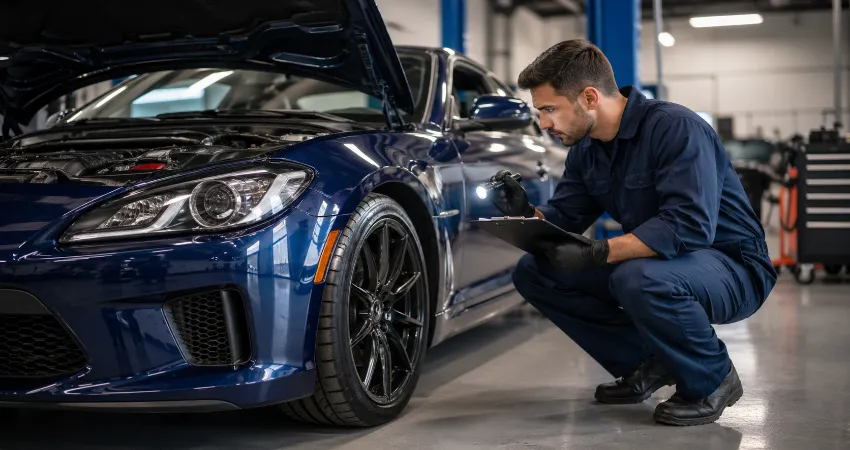
Even if you are knowledgeable about cars, it is always wise to have a professional mechanic inspect the vehicle. A certified mechanic can identify hidden issues that may not be visible during a basic inspection. This additional step provides peace of mind and can potentially save you from unexpected repair costs.
Assess Maintenance Costs and Availability of Parts
High-performance cars often come with higher maintenance costs compared to regular vehicles. Before buying, research the availability and cost of spare parts in Mexico. Some imported performance cars may require specialized parts that are expensive or difficult to find. Understanding these costs will help you make a more informed decision.
Check Insurance and Ownership Costs
Insurance for high-performance vehicles can be significantly higher due to their value and risk factors. Obtain insurance quotes before finalizing your purchase. Additionally, consider other ownership costs such as fuel consumption, taxes, and regular servicing. Being aware of these expenses will help you budget effectively.
FAQs About Inspect A High-Performance Used Car Before Buying
1. Why is inspecting a high-performance car more important than a regular car?
High-performance cars are built for speed and power, which means their components experience more stress. Without proper inspection, hidden issues can lead to expensive repairs or safety risks. A thorough check ensures that the car is reliable and worth the investment.
2. What documents should I check before buying a used car in Mexico?
You should verify the vehicle registration, ownership history, VIN, and any import papers if applicable. These documents confirm the legality of the vehicle and protect you from fraud or legal complications.
3. How can I identify if a car has been modified?
Look for non-original parts such as custom exhaust systems, altered suspension, or performance chips. Ask the seller for documentation of modifications and confirm whether they were professionally installed.
4. Is a test drive really necessary?
Yes, a test drive allows you to evaluate the car’s real-world performance. It helps you detect issues with acceleration, braking, steering, and overall handling that may not be visible during a stationary inspection.
5. Should I always hire a mechanic for inspection?
Hiring a professional mechanic is highly recommended. They can identify hidden problems and provide an expert assessment, reducing the risk of unexpected repairs after purchase.
6. What are common problems in used high-performance cars?
Common issues include worn-out brakes, engine stress, transmission problems, and poorly executed modifications. Regular wear and aggressive driving habits often contribute to these problems.
7. How do I check if the engine is in good condition?
Inspect for oil leaks, unusual noises, and smoke from the exhaust. A smooth idle and consistent performance during a test drive are also indicators of a healthy engine.
8. Are maintenance costs higher for performance cars?
Yes, high-performance vehicles typically require specialized parts and services, making maintenance more expensive than standard cars. It is important to factor in these costs before purchasing.
9. What should I look for in the braking system?
Check the condition of brake pads, rotors, and calipers. Ensure that braking is smooth and responsive during a test drive, as worn components can be costly to replace.
10. How can I avoid buying a problematic car?
Conduct a thorough inspection, verify documentation, take a test drive, and consult a professional mechanic. Combining these steps significantly reduces the risk of purchasing a problematic vehicle.
Conclusion
Inspecting a high-performance used car before buying in Mexico requires careful attention to detail and a structured approach. From verifying the vehicle’s history to conducting a thorough test drive, each step plays a vital role in ensuring a safe and worthwhile purchase.
By following these guidelines and seeking professional advice when needed, you can confidently invest in a high-performance vehicle that delivers both excitement and reliability.